
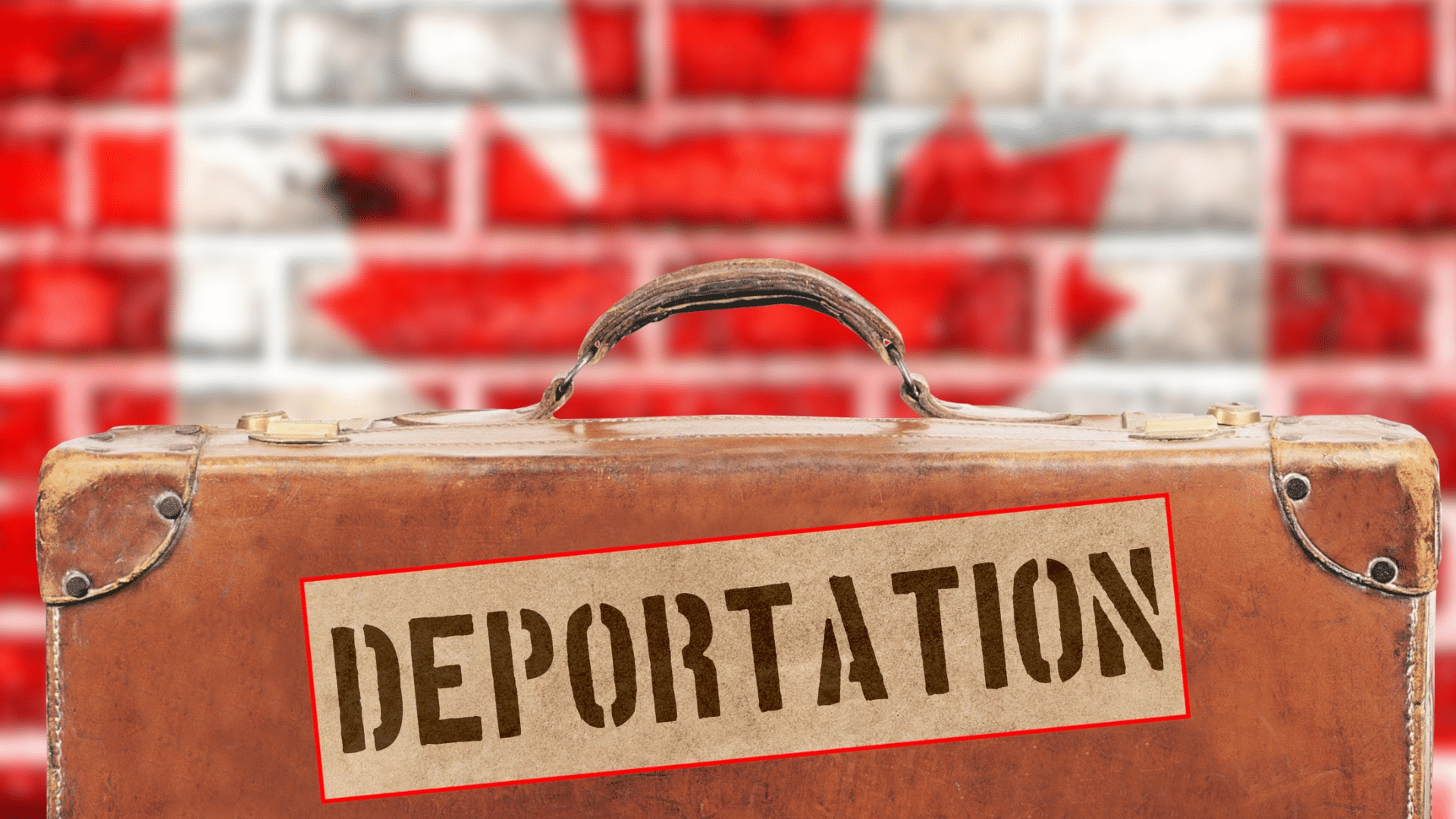
A Removal Order Isn’t Always the End
Receiving a removal order from the Canada Border Services Agency (CBSA) or the Immigration and Refugee Board (IRB) is terrifying. You’ve built a life here – maybe you have a family, a job, a community – and now you’re being told to leave.
But a removal order is not always final. Depending on your situation, you may be able to appeal, apply for a stay, or seek other forms of protection. The key is to act quickly and get the right legal help.
Why Removal Orders Are Issued
People face deportation for a variety of reasons:
- Criminal convictions – serious criminal offences can make you inadmissible to Canada, even as a permanent resident
- Misrepresentation – providing false information on an immigration application
- Overstaying your visa or permit – remaining in Canada after your status has expired
- Failed refugee claim – if your asylum claim is denied at the IRB
- Security concerns – involvement in organized crime, espionage, or terrorism
- Health inadmissibility – a medical condition that poses a danger to public health or would place excessive demand on health services (though this ground has been narrowed)
Types of Removal Orders
- Departure order: You must leave Canada within 30 days and confirm your departure with CBSA. If you comply, you can apply to return in the future.
- Exclusion order: You’re barred from returning to Canada for one year (or five years if based on misrepresentation) without written permission from IRCC.
- Deportation order: The most serious – you are permanently barred from returning to Canada without written consent from the Minister of Immigration.
Your Options After a Removal Order
- Appeal to the Immigration Appeal Division (IAD) – permanent residents and some other categories have the right to appeal on legal, factual, or humanitarian and compassionate grounds.
- Judicial review at the Federal Court – if you believe the decision was legally wrong, you can ask the Federal Court to review it
- Pre-Removal Risk Assessment (PRRA) – if you face risk of persecution, torture, or death in your home country, you can apply for protection before removal
- Humanitarian and compassionate (H&C) application – if removal would cause exceptional hardship, especially for children or people with deep ties to Canada
- Stay of removal – a court or the CBSA can temporarily halt your removal while other proceedings are pending.
If you or a family member is facing removal, speak with an experienced Toronto Immigration Lawyer or connect with experienced Vancouver Immigration Lawyers, experienced Surrey Immigration Lawyers, or experienced Victoria Immigration Lawyers. Time is critical – deadlines for appeals are strict.
FAQ – Deportation and Removal Orders
Q1: Can a permanent resident be deported?
Yes. Permanent residents can lose their status and be removed for serious criminal convictions (sentences of six months or more), involvement in organized crime, or misrepresentation. However, PRs have stronger appeal rights than temporary residents. Find an immigration lawyer on Top Lawyers Canada.
Q2: How fast can removal happen?
It varies. Some departure orders give you 30 days. In other cases, especially after a failed refugee claim, authorities can enforce removal relatively quickly. Filing an appeal or judicial review can pause the process, but timing is critical.
Q3: Can I come back to Canada after deportation?
It depends on the type of order. Departure orders allow return with a valid visa. Exclusion orders bar you for one to five years. Deportation orders bar you permanently unless the Minister grants written consent, which is rare.
Q4: What happens to my family if I’m deported?
Your Canadian-citizen or PR family members are not removed with you. However, the impact on your family – especially children – is a strong factor in H&C applications and IAD appeals. Courts take family separation seriously.