
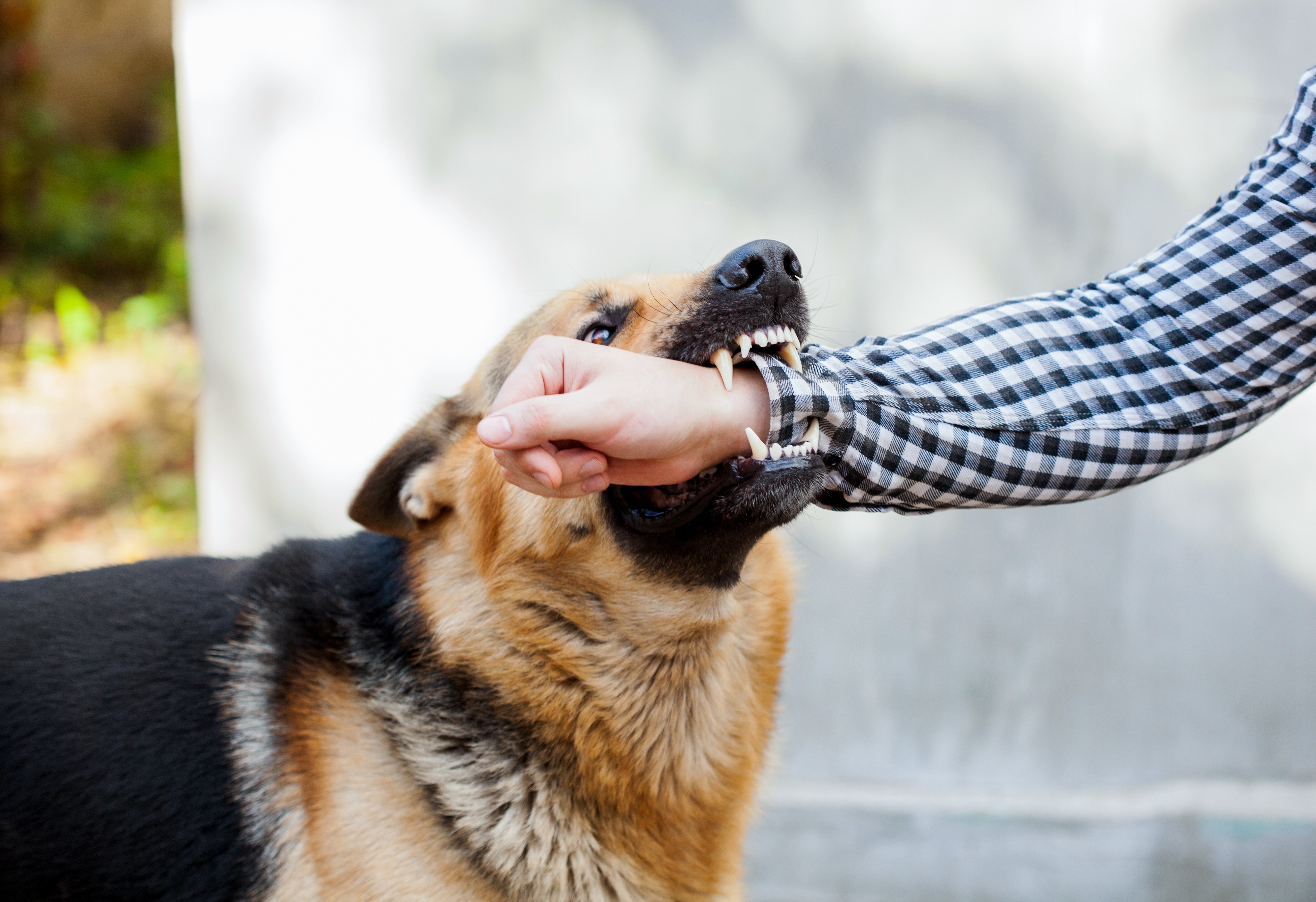
Dog bite injury claims in Ontario operate under a legal standard that surprises many people, including many dog owners. Unlike some other places, Ontario does not give a dog “one free bite.” An owner can be held fully responsible for an attack even if the dog had never shown aggression before and even if the owner did nothing wrong. If you or your child has been bitten or attacked by a dog, understanding this framework is the first step toward recovering the compensation you may be entitled to.
Who Is Liable for a Dog Bite Injury in Ontario
Ontario’s Dog Owners’ Liability Act establishes what lawyers call strict liability. Under this standard, a dog owner is liable for damages resulting from a bite or attack on another person, regardless of whether the owner knew the dog might behave that way or was careless.
This is a significant departure from the “one free bite” rule in some other jurisdictions, where an owner is liable only if they knew or should have known their dog was dangerous. In Ontario, that prior knowledge is not required. The fact that the owner’s dog caused the injury is generally enough to establish liability.
Liability can extend beyond the immediate owner in some circumstances, including to a person who was harbouring or in control of the dog at the time. Identifying every potentially responsible party is one of the things a personal injury lawyer does at the outset of a claim.
The Exception: Provocation and Contributory Negligence
Strict liability does not mean automatic full recovery in every case. The main limit is contributory negligence. If the injured person provoked the dog, was trespassing, or otherwise contributed to the incident, the compensation they receive can be reduced in proportion to their share of responsibility.
For example, if a court found that an injured person was 25 percent responsible because they provoked the animal, their compensation would be reduced by 25 percent. Importantly, courts assess provocation based on the specific facts, and what an owner characterizes as provocation is often disputed. This is one of many areas where what actually happened matters enormously and where legal representation makes a difference.
What Compensation Is Available for a Dog Bite Injury
Dog bite injuries range from minor puncture wounds to severe, permanent damage, particularly in attacks involving children, where facial injuries and scarring are tragically common. The compensation available reflects the full impact of the injury, not just the immediate medical bill.
| Type of Compensation | What It Covers |
|---|---|
| Pain and suffering | Physical pain, emotional trauma, and reduced quality of life from the attack |
| Medical expenses | Emergency care, surgery, medication, physiotherapy, and future treatment, including scar revision |
| Psychological treatment | Therapy for trauma, anxiety, or PTSD, which is common after dog attacks, especially in children |
| Lost income | Wages lost during recovery, and reduced earning capacity if the injury is lasting |
| Scarring and disfigurement | Compensation specific to permanent visible scarring, particularly to the face |
| Out-of-pocket costs | Travel to medical appointments, assistive devices, and other related expenses |
Psychological harm deserves particular mention. Dog attacks, especially on children, frequently cause lasting anxiety, nightmares, and a fear of animals that can affect daily life for years. This psychological impact is a recognized and compensable part of a dog bite claim, not an afterthought.
Where Does the Compensation Come From?
A common concern among injured people, particularly when the dog owner is a friend, neighbour, or family member, is that pursuing a claim means taking money directly out of that person’s pocket. In most cases, this is not how it works.
Dog bite claims in Ontario are typically covered by the dog owner’s home insurance or tenant insurance policy, which usually includes personal liability coverage. This means the compensation generally comes from the insurance company, not the owner’s personal savings. Understanding this often relieves injured people of the reluctance that keeps them from pursuing a legitimate claim. Preserving the relationship and recovering fair compensation are not mutually exclusive.
Time Limits: Why You Should Not Wait
Under Ontario’s Limitations Act, there is generally a two-year limitation period to start a legal claim for a dog bite injury, running from the date of the incident, or from when the injury and its connection to the attack were reasonably discoverable. For injuries involving a minor, the limitation period does not begin to run until the child turns 18, though there are strong practical reasons not to wait that long.
Evidence fades. Witnesses move. Medical records and photographs of injuries are most compelling when documented soon after the incident. The sooner you investigate a claim, the stronger it tends to be.
What to Do After a Dog Bite in Ontario
The steps you take immediately after a dog bite can significantly strengthen a future claim. Seek medical attention promptly, even for wounds that seem minor, because bite wounds carry a high risk of infection and some injuries are worse than they first appear. Photograph your injuries and the location where the attack happened. Get the dog owner’s name, address, and insurance information, along with the contact details of any witnesses. Report the incident to your local animal control or public health unit. And keep records of all medical treatment and expenses.
Then speak with a personal injury lawyer in Ontario. Most handle dog bite claims on a contingency basis, meaning no fee unless the claim succeeds. Experienced personal injury lawyers serving Toronto, experienced personal injury lawyers in Brampton, and experienced personal injury lawyers in Hamilton are listed on Top Lawyers Canada.
Frequently Asked Questions
Does the dog have to have bitten someone before for the owner to be liable in Ontario?
No. Ontario does not follow the “one free bite” rule. Under the Dog Owners’ Liability Act, an owner can be held strictly liable for a bite or attack even if the dog has never shown aggression and has no history of biting. The owner’s prior knowledge of the dog’s temperament is not required to establish liability, which is a key difference from some other jurisdictions.
What if the dog belongs to a friend or family member? Do I have to sue them personally?
In most cases, a dog bite claim is paid through the owner’s home or tenant insurance policy, which typically includes personal liability coverage. This means the compensation generally comes from the insurance company rather than the owner’s personal finances. Many people are reluctant to pursue a claim against someone they know, but understanding that insurance usually covers it often changes that calculation. A personal injury lawyer can explain how this works in your specific situation.
Can I still make a claim if I was partly at fault for the dog attack?
Possibly, yes. Ontario applies contributory negligence, which means that if you provoked the dog or otherwise contributed to the incident, your compensation may be reduced in proportion to your share of responsibility, but not necessarily eliminated. Whether provocation occurred, and to what degree, is often disputed and depends on the facts. A lawyer can assess how contributory negligence might apply to your claim.
My child was bitten. Is the claim different for a minor?
The same strict liability standard applies, but minors have important differences. The two-year limitation period generally does not begin until the child turns 18, giving more time to pursue a claim. Claims involving children also often involve more significant compensation, particularly where there is facial scarring or lasting psychological trauma, both of which are common in attacks on children. Courts typically require approval for settlements involving minors, a protective step handled by the lawyer.
How much is a dog bite injury claim worth in Ontario?
There is no fixed amount, because the value depends on the severity of the injury, the presence of scarring or permanent damage, the psychological impact, lost income, and the specific circumstances. Minor injuries that heal fully attract modest compensation, while severe attacks causing permanent scarring or disability can support substantial claims. The only reliable way to understand the potential value of your specific claim is to have it assessed by an experienced personal injury lawyer.