
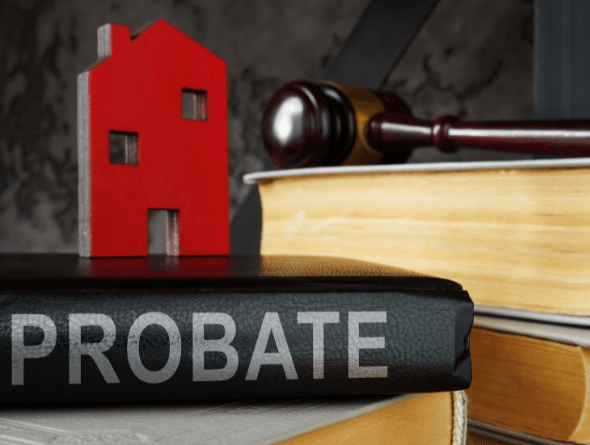
An executor selling a house before probate in Ontario is a common concern for estate trustees handling a deceased person’s property. In some situations, an executor can take steps toward a sale before probate is granted, but completing the transaction may require a Certificate of Appointment of Estate Trustee.
In many Ontario estates, the property can be prepared for sale while probate is underway, but the estate may need the Certificate before entering into or completing the sale.
Understanding that distinction can help an executor avoid delays, unexpected closing problems, and personal liability while administering the estate.
What Does Probate Mean in Ontario?
Probate is the court process commonly used to confirm an estate trustee’s authority and validate a will for third parties. In Ontario, the document issued by the court is generally called a Certificate of Appointment of Estate Trustee.
Probate is not required for every estate. Whether it is necessary depends largely on the assets involved and the requirements of the institutions or parties dealing with the estate.
The Government of Ontario explains that probate is normally required where an estate includes real property that does not pass to another person by right of survivorship, and specifically notes that where a deceased person’s real property must be sold, a Certificate should be obtained before anyone enters into an Agreement of Purchase and Sale. Ontario’s probate guidance
Can an Executor Sell a House Before Probate?
An executor may be able to take important steps involving the property before the probate application is completed, but selling estate real estate requires careful planning.
The practical question is not simply whether the executor can speak with a real estate agent or prepare the house for sale. The more important issue is whether the executor has the authority and documentation needed to enter into a binding Agreement of Purchase and Sale and complete the transfer of title.
Preparing the Property for Sale
While probate is pending, an estate trustee may need to secure and preserve estate property. Depending on the circumstances, this can include arranging insurance, maintaining utilities, clearing personal belongings, arranging repairs, obtaining an appraisal, and speaking with a real estate professional.
These steps can be important because an executor has a duty to protect estate assets. Leaving a property vacant or poorly maintained can expose the estate to unnecessary costs and risk.
Listing or Accepting an Offer
Executors should be particularly careful before signing a binding Agreement of Purchase and Sale. Ontario’s official probate guidance recommends obtaining the Certificate of Appointment before anyone enters into an Agreement of Purchase and Sale for estate real property.
If the estate is considering a sale while the probate application is still outstanding, the agreement and timing should be reviewed with an estate and real estate lawyer before anything is signed. A closing date that arrives before the estate has the required authority could create serious complications.
Closing the Sale and Transferring Title
Even where preparations begin earlier, the estate must ultimately be able to transfer legal title to the buyer. The lawyer handling the transaction will need to confirm who has the authority to sign on behalf of the estate and which documents are required for registration.
This is why probate and the real estate closing should be coordinated from the beginning rather than treated as completely separate matters.
When Might Probate Not Be Required for the Property?
Not every property owned by a deceased person necessarily passes through the estate in the same way. The ownership shown on title can significantly affect what happens next.
Joint Tenancy and Right of Survivorship
If real property was owned in joint tenancy with another person, the deceased person’s interest may pass to the surviving joint owner by right of survivorship rather than through the estate. In those circumstances, a survivorship application may be required to update title.
However, the legal effect of joint ownership can depend on the relationship between the owners and the surrounding circumstances. Executors should avoid assuming that a jointly held property automatically falls outside the estate without first obtaining legal advice.
Property Owned Solely by the Deceased
Where the deceased was the sole registered owner, or where the deceased’s interest forms part of the estate, the estate trustee may need a Certificate of Appointment before the property can be sold or transferred.
The first step should be to review the will and the property title so the executor understands exactly what authority is required.
What Should an Executor Do Before Listing Estate Property?
Selling a home as an executor is different from selling your own property. The executor is acting in a fiduciary role and must make decisions in the best interests of the estate and its beneficiaries.
Before listing an estate property, consider the following steps:
- Review the will: Confirm who has been appointed as the estate trustee and whether it contains any directions regarding the property.
- Confirm how title is registered: Determine whether the property is solely owned, jointly owned, or subject to another ownership arrangement.
- Determine whether probate is required: Do not assume a Certificate is unnecessary simply because the executor is named in the will.
- Protect and insure the property: Notify the insurer of the death and confirm that appropriate coverage remains in place, particularly if the house will be vacant.
- Document the property’s value: A professional appraisal or other reliable valuation may help demonstrate that the executor acted prudently when deciding to sell.
- Consider the beneficiaries: Executors should understand the terms of the will and communicate with them appropriately, especially when the family home is a significant asset of the estate.
- Coordinate the probate and sale timelines: The probate application, listing strategy, offer date, and proposed closing should be planned in tandem.
- Have the Agreement of Purchase and Sale reviewed: Before the estate signs a binding agreement, legal advice can help identify conditions, timing issues, and authority requirements.
- Keep detailed estate records: Maintain records of property expenses, repairs, insurance, professional fees, and sale proceeds.
- Do not distribute the proceeds too early: The executor must consider estate debts, taxes, expenses, and other obligations before distributing funds to beneficiaries.
What Happens to the Money From the Sale?
When estate property is sold, the net sale proceeds generally become part of the estate. They are not automatically distributed among beneficiaries upon closing.
Before making distributions, the estate trustee may need to deal with:
- Mortgage balances and other secured debts
- Real estate commissions and legal fees
- Property taxes and utilities
- Estate administration expenses
- Income tax and other tax liabilities
- Debts owed by the deceased or the estate
- Specific gifts and other obligations under the will
Only after the executor has a clear picture of the estate’s liabilities and obligations should distributions be made. Premature distribution can expose an executor to personal risk if the estate later owes money.
How Probate and the Property Sale Can Work Together
Estate administration and a real estate sale often overlap. A practical approach is to coordinate the legal steps rather than waiting until one process is completely finished before beginning the next.
A typical sequence may look like this:
- Review the will and property title
- Determine whether probate is required
- Prepare and file the probate application
- Secure, insure and maintain the property
- Prepare the property for sale
- Plan the listing and transaction around the probate timeline
- Obtain the Certificate of Appointment where required
- Complete the sale and transfer title
- Pay estate expenses, debts and taxes
- Distribute the remaining estate in accordance with the will and applicable law
Charney Legal provides both estate administration and real estate legal services, allowing related estate and property issues to be considered together.
Why Legal Advice Matters Before an Estate Property Is Sold
An executor has significant responsibilities. A decision that appears straightforward, such as accepting an offer on a house, can create problems if the estate does not yet have the authority or documentation required to complete the transaction.
A lawyer can help the executor determine:
- Whether probate is required
- Whether the executor has authority to deal with the property
- How ownership on title affects the estate
- What documents are needed before a sale can close
- How to coordinate probate with the real estate transaction
- How sale proceeds should be handled within the estate
If you are administering an estate that includes real property, Charney Legal can help you review the will, determine whether probate is required, and coordinate the estate administration and real estate transaction. Charney Legal serves clients in Toronto, the GTA, and throughout Ontario. Additional Estate Planning Resource
Avi Charney is also listed by Top Lawyers Canada as a Toronto Will and Estate Planning Lawyer, where readers can learn more about his estate planning background and legal services.
FAQ – Selling Estate Property Before Probate in Ontario
Can an executor list a house before probate in Ontario?
An executor may be able to take steps to prepare a property for sale while probate is pending. However, Ontario’s probate guidance states that where a deceased person’s real property must be sold, a Certificate of Appointment of Estate Trustee or Small Estate Certificate should be obtained before anyone enters into an Agreement of Purchase and Sale. The specific circumstances and title should be reviewed before the estate commits to a sale.
Do I need to go through probate if the house was jointly owned?
Not always. Property held in joint tenancy may pass to the surviving joint owner by right of survivorship. However, joint ownership can raise legal issues, and the way title was registered should be reviewed before assuming the property falls outside the estate.
Can beneficiaries stop an executor from selling a house?
Beneficiaries do not automatically control every decision made by the estate trustee. The executor must follow the will and fulfill their fiduciary duties. If beneficiaries believe the executor is acting improperly, a dispute may arise,e and legal advice should be obtained.
What if there is no will?
If a person dies without a will, someone may need to apply to the court to be appointed as an estate trustee. The administration of the estate and any sale of real property should be addressed only after the appropriate authority is established.
What happens if probate has not been granted by the scheduled closing date?
A delayed Certificate can create a serious closing problem if the estate cannot provide the authority needed to transfer title. This is why the probate and real estate timelines should be coordinated before the estate enters into a binding agreement.
Should an executor distribute the proceeds from the sale of the house immediately?
Usually, the executor should first ensure the estate has sufficient funds to satisfy debts, taxes, expenses, and other obligations. Distributing estate funds too early can expose the executor to personal liability if the funds are later required.