
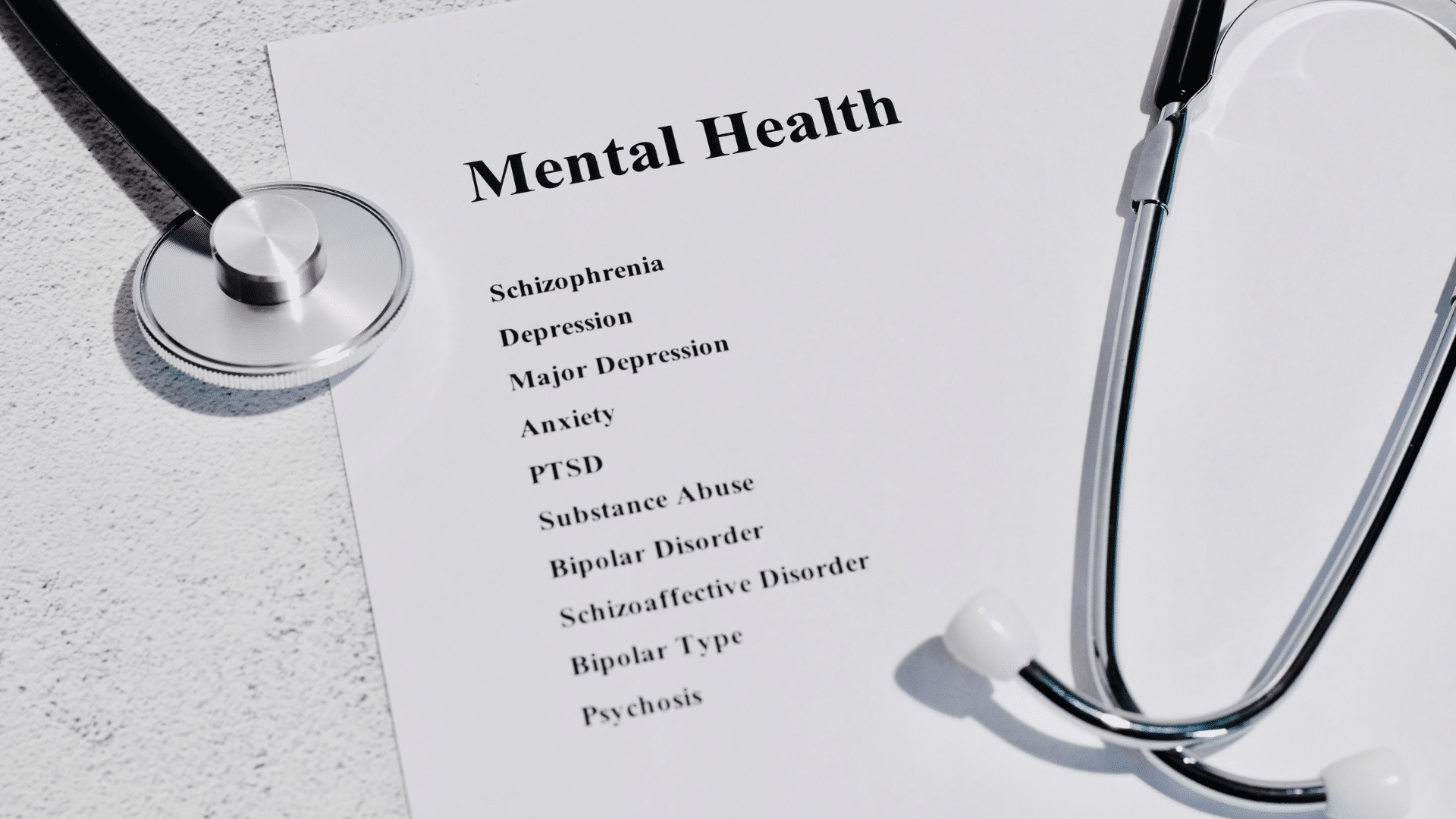
Your Mental Health Condition Is Real – And So Is Your Right to Benefits
Depression. Anxiety. PTSD. Bipolar disorder. These conditions can be just as disabling as a physical injury, sometimes more so. They can make it impossible to get out of bed, concentrate at work, maintain relationships, or function in daily life.
But when you file a long-term disability claim for a mental health condition, insurers often push back harder than they do for physical injuries. Here’s why and how to protect yourself.
Why Insurers Scrutinize Mental Health Claims
- No X-ray or MRI. Mental health conditions can’t be “seen” on a scan. Insurers use this lack of objective imaging to question whether the condition is real or severe enough to prevent work.
- “Self-reported symptoms.” Many policies treat conditions based primarily on self-reported symptoms like pain, fatigue, and mood – differently from other conditions. Some even limit benefits to 24 months for these diagnoses.
- Surveillance. Insurers may hire private investigators to follow you. A video of you grocery shopping or walking your dog can be used to argue you’re not as disabled as you claim.
- Paper reviews. Instead of having you see a doctor, insurers may have their own medical consultants review your file and conclude – without ever meeting you – that you can work.
How to Build a Strong Mental Health Disability Claim
- See a psychiatrist, not just your family doctor. A psychiatrist’s diagnosis carries significantly more weight than a GP’s notes. If you haven’t been referred to one, ask.
- Be detailed with your doctors. Don’t just say “I feel depressed.” Describe exactly how it affects you: “I can’t concentrate for more than 15 minutes,” “I haven’t left the house in two weeks,” “I’m sleeping 14 hours a day and still exhausted.”
- Follow your treatment plan. Attend every therapy appointment. Take your medication as prescribed. Insurers will argue that if you’re not following treatment, your condition isn’t serious.
- Keep a daily symptom journal. Record your mood, energy levels, sleep patterns, and activities (or lack thereof). This creates a real-time record that’s hard to dispute.
- Get a neuropsychological assessment. These tests objectively measure cognitive function – memory, concentration, processing speed. The results are powerful evidence that’s difficult for insurers to dismiss.
The 24-Month Mental Health Limitation
Many group LTD policies contain a clause that limits benefits for mental health conditions to 24 months. After that, your benefits are cut off, even if you’re still disabled.
This limitation is not always enforceable. A disability lawyer can review your policy’s language and advise whether the limitation applies to your specific diagnosis, especially if you have overlapping physical and mental health conditions.
Talk to an experienced Toronto Long-Term Disability Lawyer or connect with experienced Ottawa Long-Term Disability Lawyers, experienced Hamilton Long-Term Disability Lawyers, experienced Oshawa Disability Insurance Denial Lawyers, or experienced Calgary Long-Term Disability Insurance Lawyers.
FAQ – Mental Health Disability Claims
Q1: Can I get LTD for anxiety or depression?
Yes, if the condition prevents you from working and your policy covers it. Anxiety, depression, PTSD, and bipolar disorder are all recognized as potentially disabling conditions. The challenge is proving the severity with adequate medical evidence. Find an experienced long-term disability lawyer on Top Lawyers Canada.
Q2: What if my employer’s policy has a mental health limitation?
A disability lawyer can review the specific policy language. If your condition has both mental and physical components (for example, depression caused by chronic pain), the limitation may not apply. There are also legal arguments that these limitations are discriminatory.
Q3: Can my insurer cut off my benefits because I looked okay on surveillance?
They try. But a single video of you leaving the house doesn’t disprove a mental health disability. Your lawyer can challenge surveillance evidence by putting it in proper context; one good day doesn’t negate a disabling condition.
Q4: Should I apply for CPP Disability as well?
In many cases, yes. CPP Disability benefits are separate from your employer’s LTD plan. However, most LTD policies offset CPP payments against your benefits. This means your insurer pays less. A lawyer can coordinate both claims to maximize your total support.