
Being injured because of someone else’s negligence changes more than your health it can affect your income, your family, and your ability to do the things you did before the accident. If you’re researching a personal injury lawyer in Toronto, you’re likely trying to understand three things: what kind of claim you actually have, roughly what it might be worth, and how the legal process works from here.
This guide covers all of it – claim types, the step-by-step process, costs, deadlines, compensation, and how insurers respond to claims – so you have a clear picture before you speak with one of the Toronto personal injury lawyers listed below. It’s general information, not legal advice, but it should help you ask sharper questions when you do meet with a lawyer.



































Personal Injury Lawyer Toronto: What Ontario Law Actually Covers
Personal injury law covers harm caused by another person’s or organization’s negligence or wrongdoing. It’s a broad area, and the specific rules, evidence, and even the government bodies involved can differ significantly depending on which category your situation falls into. The personal injury lawyers featured on this page most commonly handle the following types of claims.
Car, Motorcycle, and Pedestrian Accidents
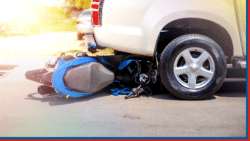
Motor vehicle collisions are the single most common source of personal injury claims in Toronto, covering everything from rear-end collisions and highway pile-ups to pedestrians and cyclists struck by vehicles, including incidents involving TTC vehicles or rideshare drivers. Car accident claims involve a unique dual-track process – a no-fault accident benefits claim through your own insurer, plus a potential tort claim against the at-fault driver – which is detailed enough that it has its own dedicated guide covering fault determination, accident benefits, and the catastrophic impairment threshold in depth.
Slip, Trip, and Fall Claims
Falls on poorly maintained sidewalks, icy parking lots, wet retail floors, or unsafe stairwells fall under Ontario’s Occupiers’ Liability Act, which requires property owners and occupiers to take reasonable steps to keep their premises safe for visitors. These claims often hinge on maintenance records, weather conditions at the time of the fall, and how quickly a hazard was or should have been addressed. Winter months bring a sharp rise in these claims across the city, and they carry a short 10-day notice requirement when the fall happens on municipal property.

Medical Malpractice
Medical malpractice claims involve harm caused by a healthcare provider’s negligence – surgical errors, delayed or missed diagnosis, medication errors, anesthesia complications, or birth injuries to a mother or newborn. These are among the most complex personal injury claims to pursue, since they require expert medical opinion to establish that a provider fell below the accepted standard of care, not simply that a treatment had a poor outcome. Toronto’s large hospital network means many of these claims involve some of the province’s most experienced specialists on both sides of the file.

Product Liability
When a defective product causes injury – a malfunctioning appliance, unsafe furniture, a faulty vehicle component, or a dangerous consumer good – the manufacturer, distributor, or retailer may be liable regardless of whether they were careless in an everyday sense. Product liability claims often involve multiple potential defendants across a supply chain, and preserving the product itself as evidence is critical.
Dog Bites and Animal Attacks
Ontario takes an unusually strict approach to dog bites. Under the Dog Owners’ Liability Act, a dog’s owner is automatically liable for injuries caused by a bite or attack – the victim doesn’t need to prove the owner was careless, and it doesn’t matter whether the dog had ever shown aggression before. Damages can be reduced if the victim’s own actions contributed to the incident (for example, provoking the dog), but the baseline standard is far more favourable to victims than ordinary negligence claims.

Workplace Injuries Involving a Third Party
Most on-the-job injuries in Ontario fall under the WSIB’s no-fault system, which generally bars a separate lawsuit against your employer. However, if a third party outside your employment relationship – a contractor, an equipment manufacturer, or another company at a shared worksite – contributed to your injury, you may still have a personal injury claim against that third party, separate from any WSIB benefits you receive.

Wrongful Death Claims
When someone dies because of another party’s negligence, certain family members can bring a claim on the deceased’s behalf for their losses, plus a separate claim under the Family Law Act for their own losses, including loss of care, guidance, companionship, and financial dependency.
Not every injury results in a valid legal claim. As a general rule, a lawyer needs to show that someone else owed you a duty of care, failed to meet that standard, and caused measurable harm as a result. A free consultation with a personal injury lawyer is usually the fastest way to find out where your specific situation stands.
Common Types of Injuries in Personal Injury Claims
The type of injury involved shapes both the medical evidence needed and the value of a claim. Personal injury lawyers in Toronto regularly handle cases involving:
- Soft tissue injuries – sprains, strains, and whiplash-associated disorders, which are common but can be harder to substantiate because they don’t always show up on imaging.
- Fractures and orthopedic injuries – broken bones, joint damage, and injuries requiring surgery, physiotherapy, or long-term mobility aids.
- Traumatic brain injury and concussion – ranging from mild concussions with lingering symptoms to severe brain injuries with permanent cognitive or behavioural effects.
- Spinal cord injury – among the most serious injury categories, sometimes resulting in partial or complete paralysis and lifelong care needs.
- Psychological injury – post-traumatic stress, anxiety, and depression arising from an accident, which Ontario law increasingly recognizes as compensable in its own right, not just as a side effect of physical injury.
- Scarring and disfigurement – permanent cosmetic effects that courts recognize as a distinct category of harm, separate from the underlying physical injury.
For motor vehicle accidents specifically, some of the most severe injuries in these categories – certain spinal cord injuries, qualifying brain injuries, amputation, and total vision loss among them – can meet Ontario’s “catastrophic impairment” threshold, which significantly increases available accident benefits. That threshold is covered in detail on the car accident lawyer Toronto page, since it’s specific to auto insurance claims.
How the Personal Injury Claims Process Works
Most personal injury claims in Ontario follow a similar path, though the timeline depends heavily on how serious the injuries are and whether liability is disputed.
Step 1: Medical Treatment and Documentation
Prompt medical care protects both your health and your claim. Treatment records – diagnoses, imaging, specialist referrals, and treatment plans – become the foundation of the medical evidence your claim will rely on. Gaps in treatment or delays in seeking care are one of the first things insurers look for when assessing a claim’s credibility.
Step 2: Accident Benefits (If a Vehicle Was Involved)
For motor vehicle accidents specifically, you can apply for no-fault benefits from your own auto insurer under Ontario’s Statutory Accident Benefits Schedule (SABS), regardless of who caused the crash. As of July 1, 2026, only medical, rehabilitation, and attendant care benefits are mandatory on every policy – other benefits, like income replacement, are now optional, so confirming exactly what your policy includes is an important early step. This process runs in parallel with, not instead of, any other type of personal injury claim.
Step 3: Investigation and Evidence-Gathering
Your lawyer gathers police or incident reports, medical records, witness statements, and, where needed, expert opinions on your injuries, their cause, and your future care needs. For slip and falls, this includes maintenance and weather records; for product liability, it includes preserving the product itself; for medical malpractice, it includes an independent medical expert’s opinion on the standard of care.
Step 4: The Demand and Negotiation Phase
Once your medical situation has stabilized enough to reasonably estimate future needs, your lawyer typically sends a demand package to the responsible party’s insurer, outlining liability and damages, and negotiations begin. Settling too early – before the full extent of an injury is known – is one of the most common ways claimants end up accepting less than a claim is worth.
Step 5: Settlement or Trial
The large majority of personal injury claims in Ontario settle through negotiation. Going to court is typically a last resort when a fair settlement can’t be reached, and even then, most lawsuits that are filed still settle before reaching trial – a credible willingness to litigate is often what moves a stalled negotiation forward.
How Much Does a Personal Injury Lawyer Cost?
Most personal injury lawyers in Toronto work on a contingency fee basis – commonly advertised as a “no win, no fee” arrangement. This means:
- You pay nothing upfront to hire a lawyer or open a file
- The lawyer’s fee is a percentage of your settlement or court award, agreed to in writing before they take on your case
- If your claim isn’t successful, you generally don’t owe a legal fee
Ontario’s Solicitors Act specifically regulates contingency fee agreements for personal injury claims, requiring them to be in writing and setting out rules around how fees are calculated, particularly if a case proceeds to trial rather than settling beforehand. It’s worth asking how disbursements – costs like medical-legal reports, expert opinions, or court filing fees – are handled, since these are sometimes treated separately from the lawyer’s percentage fee and may be owed even if a disbursement was incurred before a case resolves.
It’s also reasonable to ask what happens to fees already earned if you decide to switch lawyers partway through a claim; most agreements address this directly. Most personal injury lawyers offer a free initial consultation, so you can understand the fee structure and get a sense of your case before committing to anything.
Ontario’s Limitation Period: Why You Shouldn’t Wait
Under Ontario’s Limitations Act, most personal injury claims must be started within two years of the accident, or within two years of when you reasonably discovered your injury – whichever is later. This “discoverability” principle matters more than people expect: if you were injured in a fall and didn’t realize the full extent of a back injury until months later when it failed to improve, your two years may run from that later discovery date rather than the date of the fall itself. Miss the applicable window, and you generally lose the right to sue entirely, regardless of how strong your claim might have been.
Some situations shorten the timeline considerably:
- Injuries on municipal property (roads, sidewalks) typically require written notice within 10 days
- Snow and ice-related injuries on private property typically require notice within 60 days
- Minors generally have until two years after turning 18 to start a claim
- An ultimate limitation period of 15 years can apply regardless of when a claim was discovered, subject to limited exceptions
Because early evidence – photos, witness contact information, surveillance footage, maintenance logs – tends to disappear quickly, speaking with a personal injury lawyer soon after an accident protects your options even if you haven’t decided whether to pursue a claim.
What Compensation Can You Recover?
Compensation in a personal injury claim is meant to address both the financial and personal impact of your injuries, and it’s typically broken into several distinct categories.
General Damages: Pain and Suffering
This covers the non-financial impact of your injury – physical pain, loss of enjoyment of life, and psychological harm. For motor vehicle accidents specifically, this category is subject to a statutory threshold and deductible that doesn’t apply to other types of personal injury claims, which is one of several reasons car accident claims are handled somewhat differently than other injury types.
Special Damages: Income Loss and Out-of-Pocket Expenses
This covers quantifiable financial losses: income you’ve already lost, out-of-pocket medical and treatment costs not covered by insurance, travel to appointments, and similar expenses with a receipt or pay stub behind them.
Cost of Future Care
For injuries with lasting effects, compensation can include the projected cost of future medical treatment, attendant care, home modifications, or assistive devices. In serious cases, this is often established through a life care plan prepared by a medical and financial expert, projecting costs over a person’s expected lifetime.
Future Income Loss and Loss of Earning Capacity
Beyond wages already lost, a claim can account for reduced ability to earn income going forward – whether that means being unable to return to your previous occupation, needing to work reduced hours, or facing a shortened career.
Family Law Act Claims
Close family members – spouses, parents, children, and siblings in some cases – may have their own claim for loss of care, guidance, and companionship when a loved one is seriously injured or killed. This is a separate claim from the injured person’s own, calculated independently.
What Affects How Much Your Claim Is Worth
Every claim is valued individually, but a few factors consistently matter most: the severity and permanence of the injury, your age and occupation (which affects both future earning capacity and life expectancy for future care calculations), how clearly the other party’s liability can be established, and the quality and consistency of your medical documentation. Two people with similar injuries can end up with very different claim values depending on how well-documented their losses are and how clearly fault can be shown. A personal injury lawyer can give you a more grounded estimate after reviewing your medical records and the specific circumstances of your accident.
If Your Injury Keeps You Off Work
A personal injury claim’s income-loss component compensates you for wages lost because of the accident, but it’s a claim against the party responsible for your injury, not an ongoing income source, and it typically resolves as part of a lump-sum settlement rather than regular payments.
If you also have long-term disability (LTD) insurance through an employer benefits plan or a private policy, that’s a separate claim entirely – made against your disability insurer, not the party who caused your accident – and it can provide ongoing monthly income while your personal injury claim is still being resolved. Many people injured badly enough to be off work for an extended period end up navigating both processes at once. If your LTD claim has been denied, delayed, or cut off, this guide to long-term disability claims in Toronto covers how that separate process works, including deadlines that run independently of your personal injury claim.
Why Insurance Companies Fight Injury Claims
Whether it’s your own insurer handling an accident benefits claim or the at-fault party’s insurer defending a tort claim, insurance companies have a financial incentive to pay out as little as possible. Common tactics include:
- Offering a quick, low settlement before the full extent of your injuries, especially soft tissue or psychological injuries that can worsen over time is known
- Disputing that your injuries meet Ontario’s legal threshold for pain and suffering damages
- Attributing your symptoms to a pre-existing condition rather than the accident
- Requesting an independent medical examination (IME) with an assessor chosen by the insurer
- Delaying claims processing or benefit payments, hoping you’ll accept less out of frustration or financial pressure
- Requesting broad medical record authorizations that go further than necessary for the claim at hand
- Contacting you directly for a recorded statement before you’ve spoken with a lawyer
A personal injury lawyer levels this playing field by managing communication with adjusters, gathering independent medical evidence, and where accident benefits are unfairly denied or reduced, pursuing a dispute through the Licence Appeal Tribunal. Insurers negotiate differently when they know a claim is backed by a lawyer prepared to pursue it fully.
Key Personal Injury Terms to Know
A few terms come up repeatedly in Ontario personal injury claims, and understanding them makes it easier to follow what’s happening with your own file:
- Tort claim – a lawsuit against the party responsible for your injury, seeking compensation for damages like pain and suffering and income loss.
- SABS (Statutory Accident Benefits Schedule) – the no-fault benefits available through your own auto insurer after a car accident, regardless of who was at fault.
- Contingency fee – a lawyer’s fee calculated as a percentage of what’s recovered, payable only if the claim succeeds.
- Discoverability – the legal principle that a limitation period can start running from when you reasonably became aware of your injury, rather than strictly from the date of the accident.
- Occupiers’ Liability Act – the Ontario law requiring property owners and occupiers to keep premises reasonably safe, central to slip and fall claims.
- Threshold – the legal standard a car accident injury must meet (“permanent serious impairment”) to qualify for pain and suffering damages through a tort claim.
- Independent medical examination (IME) – a medical assessment arranged and paid for by an insurer, which can reach different conclusions than your own treating doctors.
- Disbursements – out-of-pocket costs incurred while pursuing a claim, such as expert reports or filing fees, which are sometimes billed separately from a lawyer’s contingency fee.
Toronto’s Legal and Insurance Landscape
Toronto’s size and density shape how personal injury claims typically unfold in the city. Most tort claims proceed through the Ontario Superior Court of Justice, while disputes over accident benefits are heard by the Licence Appeal Tribunal, and auto insurers operating in Ontario are regulated by the Financial Services Regulatory Authority of Ontario (FSRA).
The city’s heavy traffic volumes contribute to a high number of motor vehicle and pedestrian accident claims, while the mix of older sidewalks, condo buildings, retail properties, and harsh winters makes slip and fall claims common between November and April. Many claims involve multiple insurers – your own auto insurer, a property owner’s liability insurer, or a driver’s commercial insurance policy, which is one reason experienced local representation matters.
How to Choose the Right Personal Injury Lawyer in Toronto
Because personal injury law covers such a broad range of situations, lawyers often focus on particular areas, such as catastrophic injury, medical malpractice, or long-term disability disputes, rather than handling every claim type with equal depth. When comparing a personal injury lawyer Toronto residents might recommend, a few things are worth asking about directly: their specific experience with cases like yours, how they communicate with clients as a case develops, how their contingency fee and disbursement policy works, and whether they or someone else at their firm would actually be handling your file day to day.
A free consultation is a reasonable place to ask all of this before committing to representation. Comparing a few personal injury lawyers in Toronto, rather than hiring the first one you find, can help you find the right lawyer for both your case and your comfort level.
The information on this page is general in nature and isn’t a substitute for legal advice. Every personal injury claim depends on its own facts, so speak with a qualified personal injury lawyer about the specifics of your situation before making decisions about your case.
Frequently Asked Questions
How much does a personal injury lawyer cost in Ontario?
Most personal injury lawyers in Toronto and across Ontario work on a contingency fee basis – commonly advertised as a “no win, no fee” arrangement. You don’t pay anything upfront, and the lawyer’s fee is a percentage of your settlement or court award, payable only if your claim succeeds. This percentage, along with how disbursements like medical reports or expert fees are handled, should be set out in a written agreement before you retain the lawyer, as required under Ontario’s Solicitors Act. Every personal injury lawyer profiled on Top Lawyers Canada offers a free initial consultation, giving you a chance to understand potential costs before committing to representation.
How long do I have to file a personal injury claim in Ontario?
In most cases, Ontario’s Limitations Act gives you two years from the date of the accident, or from when you reasonably discovered your injury, to start a claim. Some situations carry much shorter deadlines – injuries involving snow or ice on municipal property generally require written notice within 10 days, and similar injuries on private property typically require notice within 60 days. An ultimate limitation period of 15 years can also apply, with limited exceptions for minors and people who are mentally incapable. If you’re not sure how much time you have left, Top Lawyers Canada’s Toronto directory can connect you with a lawyer who can confirm your specific deadline quickly.
What’s the difference between a tort claim and an accident benefits (SABS) claim?
An accident benefits claim is made through your own auto insurer under Ontario’s Statutory Accident Benefits Schedule and pays out regardless of who caused the collision, covering costs like medical treatment, rehabilitation, and attendant care up to your policy’s limits. A tort claim is a separate legal claim against the at-fault driver or their insurer, seeking compensation for pain and suffering and losses beyond what SABS covers, but it generally requires proving negligence and meeting Ontario’s legal injury threshold. Many people injured in car accidents pursue both at once; our dedicated car accident lawyer Toronto guide walks through how the two processes fit together in more depth.
Do I need a lawyer if the insurance company has already offered a settlement?
It’s worth having a personal injury lawyer review any settlement offer before you accept it, even one that seems fair. Insurance companies calculate early offers based on limited information, often before the full extent of your injuries, future treatment needs, or lost income is known, and once you accept a settlement and sign a release, you typically can’t go back and ask for more later. A lawyer can assess whether an offer reflects the true value of your claim and negotiate on your behalf. You can compare a few Toronto personal injury lawyers through Top Lawyers Canada before deciding whether to accept anything.
What compensation can I recover in a personal injury claim?
Depending on the circumstances, compensation can include past and future medical and rehabilitation expenses, income you’ve lost and are expected to lose, the cost of future care or attendant support, out-of-pocket expenses, and damages for pain and suffering. Family members may also be able to claim for loss of care, guidance, and companionship under Ontario’s Family Law Act. Because every case is different, browsing the personal injury lawyers listed on Top Lawyers Canada and comparing a few consultations is a practical way to get a realistic sense of what your specific claim may be worth.
How long does a personal injury case take to settle in Ontario?
Timelines vary widely – straightforward claims with clear liability and well-documented injuries may settle within several months to a year, while more complex cases involving disputed liability, catastrophic injuries, or the need for a clearer long-term medical prognosis can take two to four years or longer, particularly if a lawsuit proceeds toward trial. Most personal injury claims in Ontario settle out of court. A lawyer generally won’t recommend settling until your medical situation has stabilized enough to reasonably estimate your future needs – the lawyers featured on Top Lawyers Canada can walk you through what a realistic timeline looks like for a case like yours.
How do I choose the personal injury lawyer in Toronto for my case?
Look for a lawyer with specific experience handling cases similar to yours, since car accidents, slip and falls, and medical malpractice claims involve different evidence, procedures, and opposing parties. Ask about their track record, how they communicate with clients throughout a case, and how their contingency fee structure works. This is exactly why Top Lawyers Canada organizes its Toronto personal injury directory the way it does, so you can compare a few lawyers side by side on experience and focus area rather than hiring the first name you come across.
What if I was partly at fault for my accident?
Ontario follows a system of contributory negligence, meaning you may still be able to recover compensation even if you were partly responsible for the accident, though your award is typically reduced by your percentage of fault. For example, if you’re found 20% at fault, your compensation may be reduced by that amount rather than eliminated. Fault is often disputed, particularly in car accidents, so having a lawyer investigate the circumstances and gather evidence can make a meaningful difference. A lawyer from Top Lawyers Canada’s Toronto listings can review the specifics of your accident during a free consultation.
Does it matter whether I received a traffic ticket after my accident?
Not necessarily – receiving or not receiving a ticket at the scene isn’t the same as a formal determination of fault for insurance or legal purposes. In Ontario, auto insurers determine fault using the province’s Fault Determination Rules, a separate process from any charges laid by police, and a tort claim’s outcome depends on evidence and legal argument, not on who was ticketed. Our car accident lawyer Toronto page breaks down exactly how Ontario’s Fault Determination Rules work, with specific examples of how fault gets assigned in common collision scenarios.
What’s the difference between a personal injury claim and a WSIB claim?
WSIB covers most workplace injuries in Ontario on a no-fault basis and generally prevents a separate lawsuit against your employer or co-workers. A personal injury claim, by contrast, is a lawsuit against a third party – someone other than your employer – whose negligence contributed to your injury, such as a contractor, equipment manufacturer, or another company at a shared worksite. If your injury happened at work but involved a third party, a lawyer found through Top Lawyers Canada can help determine whether both a WSIB claim and a separate personal injury claim apply to your situation.
Can I still make a claim if my accident happened outside Ontario?
It depends on where the accident happened and where the responsible parties and insurance policies are based. If you’re an Ontario resident injured elsewhere in Canada, different provincial rules may apply, and if the accident happened outside Canada entirely, the process can be considerably more complex. A personal injury lawyer can help determine which jurisdiction’s rules actually govern your situation, and if your accident happened in a province like British Columbia, Top Lawyers Canada also lists personal injury lawyers there who can advise on that province’s very different claims process.
What happens if the at-fault party doesn’t have insurance, or doesn’t have enough?
For car accidents specifically, Ontario auto policies include mandatory uninsured motorist coverage that responds when the at-fault driver has no insurance or can’t be identified, and Ontario’s Motor Vehicle Accident Claims Fund can apply as a last resort in limited circumstances – our car accident lawyer Toronto guide covers this coverage in more detail. For other types of claims, your options may be more limited, though your own policies sometimes provide additional protection. This is a situation where speaking with a personal injury lawyer early makes a real difference, since the available options aren’t always obvious.
Do I need a lawyer for a minor injury, or can I handle the claim myself?
For very minor injuries with quick, full recoveries and no disputed liability, some people do handle small claims on their own. That said, injuries that seem minor initially sometimes turn out to involve longer recovery times than expected, and insurers are aware that unrepresented claimants often accept less than a claim is worth. Since a free consultation costs nothing, it’s worth checking Top Lawyers Canada’s directory – in Toronto or elsewhere in the GTA like Hamilton – for a quick second opinion on whether a claim is truly “minor” before deciding to handle it alone.
Can I claim compensation for psychological injuries like PTSD or anxiety after an accident?
Yes. Ontario law recognizes psychological injuries, including post-traumatic stress disorder, anxiety, and depression arising from an accident – as compensable harm, whether they accompany a physical injury or occur largely on their own. These claims often require an assessment from a psychologist or psychiatrist documenting the diagnosis and its connection to the accident, since insurers scrutinize psychological injury claims more closely than visible physical injuries. If a psychological injury is severe enough to keep you off work long-term, a separate long-term disability claim may also run alongside your personal injury claim. A personal injury lawyer can help identify what evidence best supports either claim.
What’s the difference between a personal injury lawyer and a general lawyer?
A personal injury lawyer focuses specifically on negligence-based injury claims – understanding how insurers evaluate claims, how to work with medical experts, and how compensation is calculated for lost income and future care. A general practice lawyer may handle personal injury matters occasionally alongside real estate, wills, or family law, but is less likely to have the same depth of experience with insurer tactics or claim valuation. This is exactly why Top Lawyers Canada separates its listings by practice area rather than showing one general roster – searching within the personal injury category specifically helps you avoid this trade-off entirely.
Explore our personal injury lawyer pages by location below.
- Barrie Personal Injury Lawyers
- Belleville Personal Injury Lawyers
- Brampton Personal Injury Lawyers
- Brantford Personal Injury Lawyers
- Brockville Personal Injury Lawyers
- Port Elgin Personal Injury Lawyers
- Bruce County Personal Injury Lawyers
- Burlington Personal Injury Lawyers
- Top Calgary Personal Injury Lawyers
- Carleton Place Personal Injury Lawyers
- Cobourg Personal Injury Lawyers
- Collingwood Personal Injury Lawyers
- Cornwall Personal Injury Lawyers
- Guelph Personal Injury Lawyers
- Haliburton Personal Injury Lawyers
- Hamilton Personal Injury Lawyers
- Kingston Personal Injury Lawyers
- Top London Personal Injury Lawyers
- Markham Personal Injury Lawyers
- Milton Personal Injury Lawyers
- Personal Injury Lawyers in Mississauga
- Muskoka Personal Injury Lawyers
- Niagara Personal Injury Lawyers
- North Bay Personal Injury Lawyers
- North York Personal Injury Lawyers
- Oakville Personal Injury Lawyers
- Oshawa Personal Injury Lawyers
- Ottawa Personal Injury Lawyers
- Perth Personal Injury Lawyers
- Peterborough Personal Injury Lawyers
- Top Pickering and Ajax Personal Injury Lawyers
- Sudbury Personal Injury Lawyers
- Toronto Personal Injury Lawyers
- Vancouver Personal Injury Lawyers
- Vaughan Personal Injury Lawyers
- Whitby Personal Injury Lawyers
- Windsor Personal Injury Lawyers